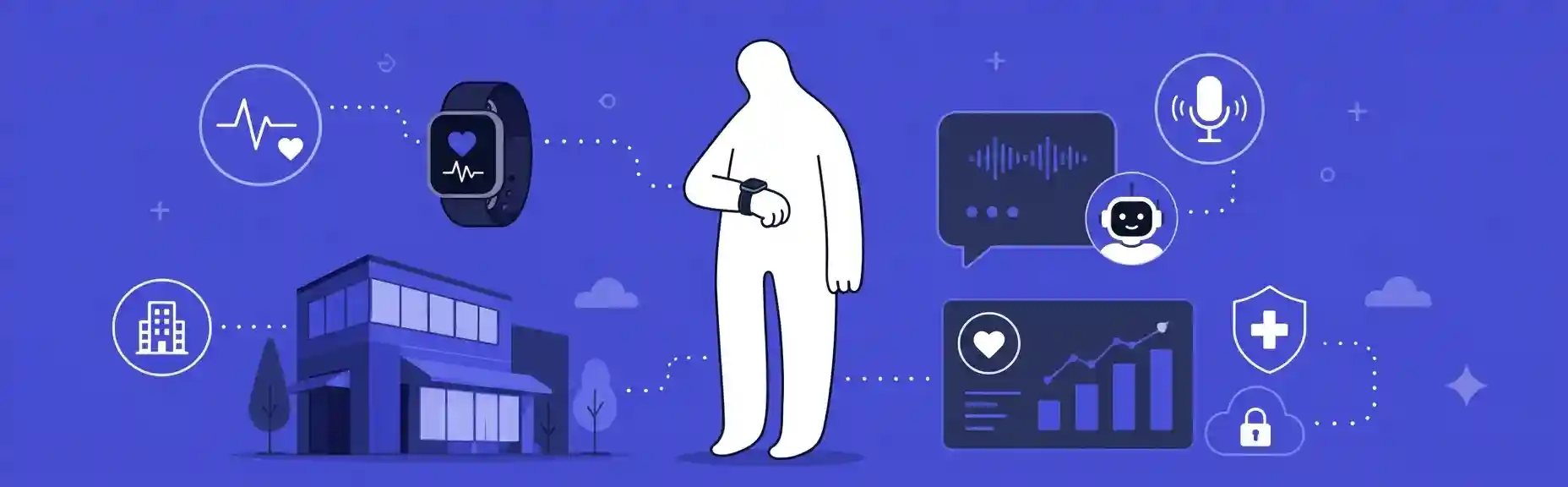


A Clear, Human-Centered Introduction
At Alternova, we’ve spent years building digital health tools that support better care. Now, we’re expanding that mission by helping teams build, host, and scale their own EHR-powered platforms.
But what exactly is an EHR—and why should you care? Whether you’re a founder, a researcher, or a clinician-innovator, here’s a clear, human-centered introduction.
Enter the Electronic Health Record (EHR):
A digital, always-updating version of a patient’s medical chart, designed to keep critical health information accessible, accurate, and (if built right) secure—no matter where care happens.
Defining Electronic Health Records: Simple, Not Scary
An Electronic Health Record (EHR) is a secure, digital collection of a patient’s health information—like doctor visits, test results, medications, allergies, immunizations, and care plans—shared across different health care providers. And updated in real time.
EHR or EMR? The terms get mixed up a lot, but here’s the key difference:

Authoritative reference: HHS.gov on EHRs
Why EHRs Matter—to Humans, Not Just Hospitals
Before EHRs, your health story was scattered across paper folders in different offices. If your cardiologist ordered a test, your primary care doctor might not know. Labs were lost. Allergies were forgotten. Dangerous drug interactions slipped through the cracks.
EHRs are not just digital filing cabinets.
Done well, they help deliver safer, more coordinated, and more compassionate care by:

EHRs in Real Life: Simple Examples
Here are a few everyday examples of how EHRs quietly—but powerfully—improve care, save time, and reduce risk behind the scenes.


EHRs: Even the Best Have Trade-Offs
We get it: Digital health records also come with friction points—like privacy concerns (how data is stored and shared), “clunky” interfaces, and the still-too-common headache of systems that don’t talk to each other (a challenge known as “interoperability”).
Solving these is as much about intentional design, standards (like FHIR, and culture as it is about technology.
That’s why we’ve built a flexible, compliant EHR hosting service—so you can launch faster without wrestling with infrastructure, security, or interoperability headaches.
At Alternova, we help teams build EHR-connected apps and tools that prioritize user experience, trust, and compliance—with the human at the center.
The Takeaway
An Electronic Health Record (EHR) is not just another app.
It’s the connective tissue of modern healthcare—a digital home for your health story.
When designed with empathy and care, EHRs save lives, reduce frustration, and create a foundation for whole-person care.